
Moisture Barriers That Actually Protect Structure
Residential Siding Solutions in Owensboro for homes with aging materials, storm damage, or energy efficiency concerns
Siding that no longer protects against wind-driven rain allows moisture behind exterior walls, where it saturates insulation, promotes mold growth on sheathing, and rots framing members before visible interior damage appears. Homeowners across Owensboro need siding installation and replacement that improves curb appeal while providing durable protection against Kentucky's moisture and wind exposure. Grey Rock Systems handles repair and replacement projects with personalized planning that addresses specific failure points—whether that's cracked fiber cement panels, buckled vinyl from improper fastening, or wood siding with extensive rot from years of water infiltration.
Installation process quality determines long-term performance: house wrap must be installed shingle-style with upper courses overlapping lower ones to shed water downward, J-channels around windows need caulking at corners to prevent water entry, and siding panels require proper expansion gaps that prevent buckling when materials expand in summer heat. Fiber cement installations demand corrosion-resistant fasteners and paint-grade caulking at seams, while vinyl siding needs fasteners centered in slots and driven loosely enough to allow thermal movement without tearing nail flanges.
Schedule a siding inspection to identify current damage and receive material recommendations based on your home's exposure and aesthetic preferences.
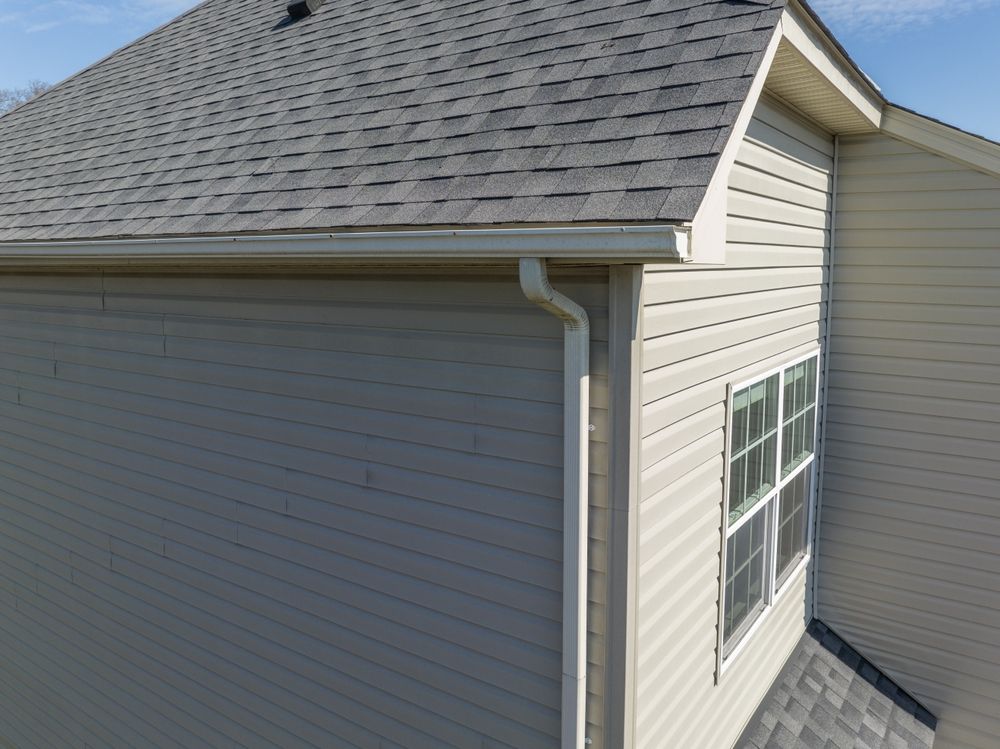
What Proper Siding Installation Accomplishes
Updated siding systems improve energy efficiency by eliminating air gaps where old materials separated from sheathing, reducing drafts that force HVAC systems to work harder maintaining interior temperatures. Grey Rock Systems installs insulation-backed vinyl or adds rigid foam under fiber cement when existing wall cavities lack adequate insulation, creating a continuous thermal barrier that lowers heating and cooling costs year-round.
After installation, your home will show consistent color and texture across all elevations, joints that remain tight through seasonal temperature swings, and exterior walls that shed rain without staining or allowing water behind the siding plane. Clean jobsite management during installation includes protecting landscaping with ground covers, staging materials in designated areas to avoid lawn damage, and daily cleanup that removes cut-offs and fastener debris before they become trip hazards or lawn mower projectiles.
Warranty-backed workmanship covers installation details like flashing integration and fastener placement for five years, while manufacturer-supported products provide material defect coverage ranging from 30 years for vinyl to 50 years for fiber cement, depending on product line selected. Storm-damaged siding qualifies for insurance coverage when wind tears panels or hail creates impact damage, with documentation provided to support claims.
Questions Homeowners Ask About Siding Projects
Owensboro residents often inquire about material durability, installation timelines, and maintenance requirements for different siding types.
What siding material handles moisture best?
Fiber cement resists rot and insect damage while maintaining dimensional stability in humid conditions, making it ideal for homes with significant tree shade or areas where morning dew persists on north-facing walls.
How long does siding replacement take?
Most single-family homes are completed in three to five days depending on square footage and architectural complexity, with additional time needed if sheathing repairs are discovered during removal of old materials.
What causes vinyl siding to warp or buckle?
Improper fastening—nails driven too tight or placed off-center in slots—prevents thermal expansion, causing panels to buckle when temperatures rise or pull apart when materials contract in winter cold.
When should damaged siding be replaced versus repaired?
Localized damage from storm impact or isolated rot can be repaired if materials match existing profiles and colors, but widespread deterioration or fading across multiple elevations typically justifies full replacement for uniform appearance and performance.
What maintenance do different siding materials require?
Vinyl needs periodic washing to remove mold and pollen but no painting, while fiber cement requires repainting every 10 to 15 years depending on finish quality and sun exposure intensity on south and west elevations.
Grey Rock Systems provides siding solutions with attention to both functional protection and visual appeal, ensuring your home's exterior performs reliably while matching your aesthetic preferences. Arrange your siding estimate to review material options and receive a project timeline that fits your schedule and budget requirements.