
Drainage Systems That Prevent Foundation Problems
Residential Gutter Installation and Repair in Owensboro for homes with water pooling near foundations or roof runoff damage
Roof runoff during heavy rainfall concentrates water at the foundation perimeter, causing soil saturation that leads to basement seepage and settling cracks. Grey Rock Systems installs seamless gutter systems that channel water away from homes, protecting foundations, landscaping, and exterior finishes from erosion and moisture damage common in Owensboro's seasonal storm patterns. Homeowners see controlled water flow to downspouts and dry soil conditions near foundation walls once properly sized gutters replace undersized or damaged systems.
Gutter installation involves measuring roof edge length, calculating drainage capacity based on roof pitch and surface area, and securing hangers at intervals that prevent sagging under water load and ice accumulation. Seamless gutter sections are formed on-site to eliminate joints where leaks typically develop over time.
Request a gutter inspection to identify drainage issues affecting your property.
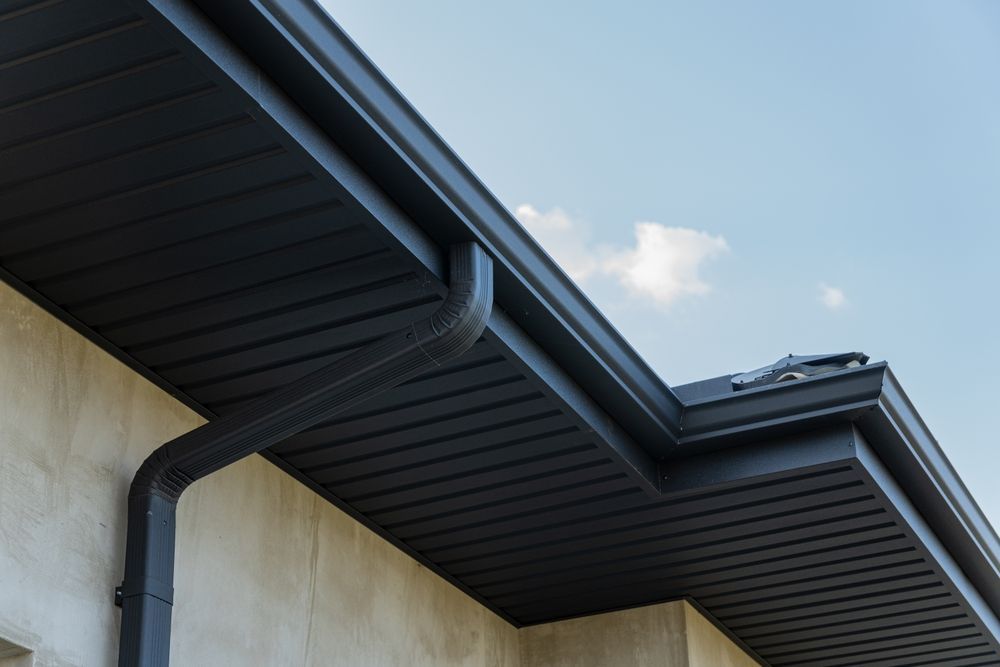
What Proper Gutter Systems Require
Effective gutter systems require correctly sloped sections that move water toward downspouts without creating standing pools where debris accumulates and mosquitoes breed. Hangers must be spaced close enough to support the weight of water-filled gutters during storms, and downspouts need to discharge at least six feet from the foundation to prevent the water from flowing back toward the house.
After installation, you notice water flows cleanly off the roof into gutters and exits through downspouts without splashing back against siding or saturating mulch beds. Basement walls stay dry during rainstorms, and foundation soil remains stable rather than washing away in channels.
Repair services address leaks at seams, sagging sections caused by loose hangers, and storm damage that dents or detaches gutter segments from the fascia. Damaged sections are removed and replaced with matching material, and all connections are sealed to restore drainage function.
Common Questions About This Service
Homeowners frequently ask about gutter sizing, material durability, and maintenance requirements when planning installation or repair projects.
What size gutters do residential homes need?
Five-inch gutters handle most single-story roofs, while six-inch systems are used for steep-pitched roofs or large surface areas that generate higher water volume during storms. Undersized gutters overflow during heavy rain, defeating the purpose of the system.
How do seamless gutters differ from sectional gutters?
Seamless gutters are formed from continuous coils at the installation site, eliminating joints where leaks develop as sealant degrades. Sectional gutters use pre-cut lengths connected with seamed joints that require periodic resealing.
When should damaged gutters be repaired versus replaced?
Small leaks, isolated dents, and loose hangers can be repaired if the overall system remains structurally sound. Widespread rust, separation from the fascia, or sagging across multiple sections indicates replacement is more cost-effective than piecemeal repairs.
Why do gutters sag over time?
Hangers loosen as wood fascia boards deteriorate from moisture exposure, or spacing between hangers is too wide to support the weight of water and debris. Regional freeze-thaw cycles in Owensboro accelerate hanger failure as ice expands inside gutter channels.
What maintenance keeps gutters functioning correctly?
Removing leaves and debris twice yearly prevents clogs that cause overflow and standing water. Inspecting hangers and downspout connections after storms identifies problems before they lead to water damage around the foundation.
Grey Rock Systems evaluates roof drainage patterns and foundation grading to design gutter systems that protect your home during seasonal weather. Contact us to schedule a gutter service assessment for your property.